The Lantern of the Laughless Saint Enemies and Threats
Sixty-plus unique horrors—how to read danger without a spoiler bestiary dump.
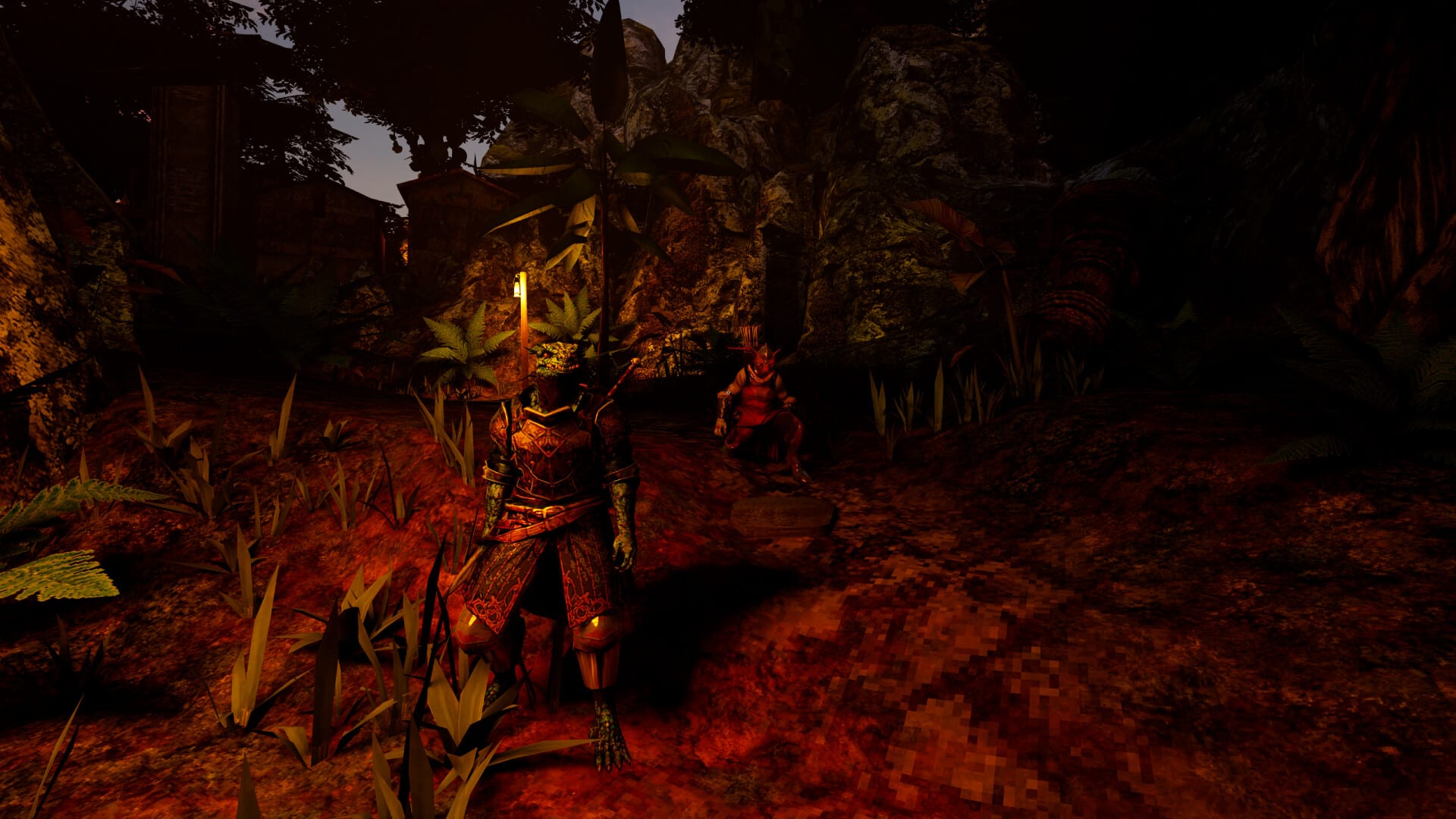
Steam’s Early Access notes for The Lantern of the Laughless Saint call out 60+ unique enemies alongside visceral combat with multiple weapon types. This Systems page teaches how to learn threats on a rumor-led island—not a fake numbered bestiary with invented HP values.
What “unique enemies” means for EA players
Expect a wide roster of strange island and Tower threats rather than three palette-swapped wolves. Uniqueness is part of the Morrowind-like fantasy: new silhouettes should make you pause, watch a wind-up, and decide whether to commit, kite, or leave. When patches add “new enemies” during EA (EA Roadmap), treat them as fresh homework, not an insult to your old notes.
Combat posture before the bestiary
Read Combat Basics first. Threat literacy is mostly:
- Spacing and stamina honesty
- Weapon family identity (Weapons and Builds)
- Knowing when spell crafting hubris is the real boss (Spell Crafting)
- Bringing potions from Alchemy and Fishing instead of raw-dogging every cave
A player who understands posture will outlive a player who memorized a Reddit DPS chart from day two of EA.
Learning a new foe in two minutes
- Watch one full attack cycle from safe range.
- Note whether the danger is gap-close, area denial, status, or raw chip.
- Test one controlled engage; leave if the lesson is “not yet.”
- Write a five-word note (“waits, then leap slam”)—not a novel.
- In co-op, call the pattern once so four people do not learn it with four corpses.
Exploration threats vs fight threats
Some island dangers are navigational: cliffs, bad jumps after a fortified athletics experiment, getting lost without quest markers (Island Exploration). Count those as threats to your session time. The Tower and depths add denser combat; the surface teaches curiosity and rumor discipline.
Co-op threat rules
Shared consequences include shared wipes. Assign who tags elites, who watches adds, and who is allowed to “just test this spell.” Desynced enemies are a technical issue—see EA Troubleshooting—but even perfect sync fails when nobody respects a telegraph.
Progression and threat gates
Skills improve through use (Skills and Perks). If every enemy feels impossible, you may be under-trained, under-geared, or in the wrong biome for your hour count—not necessarily soft-locked. Soft archetypes on the playstyle tier list help you pick a lane without pretending a frozen PvE meta exists.
What we will not invent
Exact damage tables, undocumented resistances, or spoiler boss names that are not yet stably verified. When the community maps families with evidence, this page will grow subsections. Until then, principles beat fanfiction.
Related reading
The island’s horrors are part of its personality. Learn them like rumors: carefully, repeatedly, and with an exit path.
Streaming and content warnings
Combat includes fantasy violence and blood splatter per Steam’s mature content notes (Mature Content). If you stream first deaths, expect slapstick and gore in the same clip—set expectations for viewers who thought this was a cozy walking sim.
After patches that add enemies
When a 1–2 week update drops new foes, rerun the two-minute learning loop before you publish a “useless” take. Update your five-word notes. Point party members at this page plus Combat Basics so the wiki stays the calm layer over chaotic patch nights.
Frequently Asked Questions
Quick answers about Early Access, co-op, and systems.
How many enemies are in EA?
Developer EA notes cite 60+ unique enemies. Patches may add more during Early Access.
Is there an official in-game bestiary?
Do not assume a complete codex. Learn by observation and community docs as they stabilize.
Should I grind before the Tower?
Train skills you use, craft sustain, and scout. Blind underleveled pushes are optional comedy—not a requirement.
Do co-op enemies scale wildly?
Play and observe your build. Report weird sync separately from difficulty opinions.