The Lantern of the Laughless Saint Playstyle Tier List
Which fantasy teaches the island fastest in Early Access.
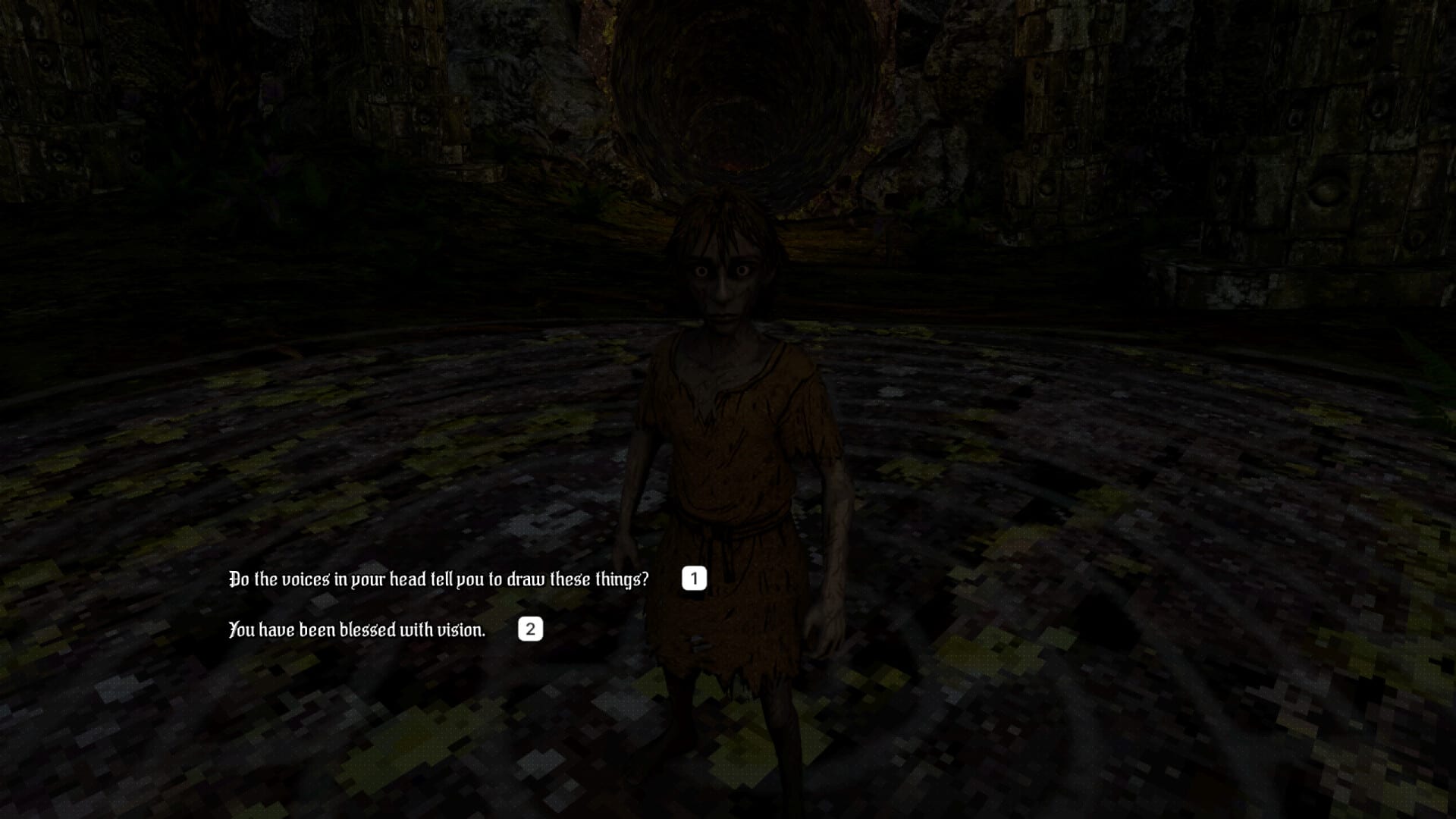
This playstyle tier list ranks approaches to The Lantern of the Laughless Saint for Early Access learning speed, content coverage, and Amphitheater flexibility—not a claim of eternal DPS supremacy.
S-tier: Explorer generalist
Rumor chasing, landmark mastery, and knowing when to leave a fight. Explorers feed every other fantasy with knowledge. Pair with island exploration and light combat competence. In co-op, one dedicated explorer massively reduces lost time.
A-tier: Diplomat / social fixer
Because the Amphitheater is a headline system, players who treat conversations as content unlock seats and side stories others miss (Amphitheater choices, NPCs and cast). Slightly lower than pure explorer only because some nights are horror-dense and demand steel.
A-tier: Mage tinkerer
Spell crafting can break traversal and fights, matching the game’s abuse-friendly pitch. High ceiling, high self-kill rate. Excellent for players who document experiments and keep a reliable escape spell.
B-tier: Dedicated combatant
Visceral combat rewards practice (combat basics, weapons and builds). Strong when the session is delve-heavy; weaker if it skips rumors and seats. Climbs to A in parties that already have a scout and diplomat.
B-tier: Alchemy support
Sustain wins long campaigns (alchemy and fishing). Less flashy solo, excellent co-op glue. Grades higher the moment difficulty spikes or wipe costs rise.
C-tier: Chaos tourist
Murder-hobo meme nights, untested mega-spells, ignoring Amphitheater notes. Fun once—documented as C because it burns content and patience. If your group explicitly wants this, schedule it; do not default to it on launch weekend.
Hybrids
Spellblade and diplomat-scout hybrids inherit the grade of their weaker half until both halves are trained (skills and perks). Use early priority skills to sequence the hybrid without stalling.
Co-op drafting order
- Explorer or diplomat
- Combatant or tinkerer
- Fill sustain gaps
- Only then double up damage
See How to Play Co-op for role etiquette and Getting Started for day-one setup.
Revision promise
After launch patches, we will note which playstyles gained or lost leverage. Until then, treat letters as coaching, not scripture. Return to the Tier List Hub for skill priorities next.
Converting a tier pick into a week plan
Chose explorer? Schedule three rumor outings and one deliberate retreat drill. Chose mage tinkerer? Schedule two lab sessions with spell crafting rules and one sober delve. Chose diplomat? Front-load NPC logs from NPCs and cast. A tier letter without a week plan is cosplay; a week plan turns the letter into progress you can feel before the first major patch.
Party grade balancing
Average your party’s grades. Four chaos tourists is not a strategy; it is a documentary. If the average falls below B for learning nights, rewrite roles before boot. If you are stacking S-tier explorers, great—add one combatant so rumors can be escorted through horror pockets. Rebalance again when the EA roadmap delivers major combat or magic polish.
When to break the tier list
Break the list when your table’s joy depends on it—ritual chaos nights, all-diplomat theater nights, or pure fishing memes—as long as you label them exceptions. Exceptions that become every night are just ignored advice. Use the tier list to protect learning nights and launch weekends; use exceptions to keep the island funny. Then return to explorer and diplomat leverage when you care about seeing more of what NerveLabs shipped.
Continuity note for Early Access
Revisit this playstyle ladder when your party composition changes or when a magic/combat polish patch lands—grades are coaching for Early Access learning speed, not a forever meta decree.
Frequently Asked Questions
Quick answers about Early Access, co-op, and systems.
Why is explorer S-tier?
Because the game is built around learning the land by walking it and following rumors. Knowledge multiplies every other build.
Is combat undervalued here?
Combat is essential, but a combatant who never talks or explores misses systems the marketing emphasizes. In delve parties, combat climbs.
Where should beginners start?
Explorer generalist or diplomat if you love NPCs; mage tinkerer if you love experiments and accept deaths.
Do tiers include PvP?
No. This is a PvE / co-op campaign tier list.