The Lantern of the Laughless Saint NPCs and Cast
The island's strange people are the point—not background noise.
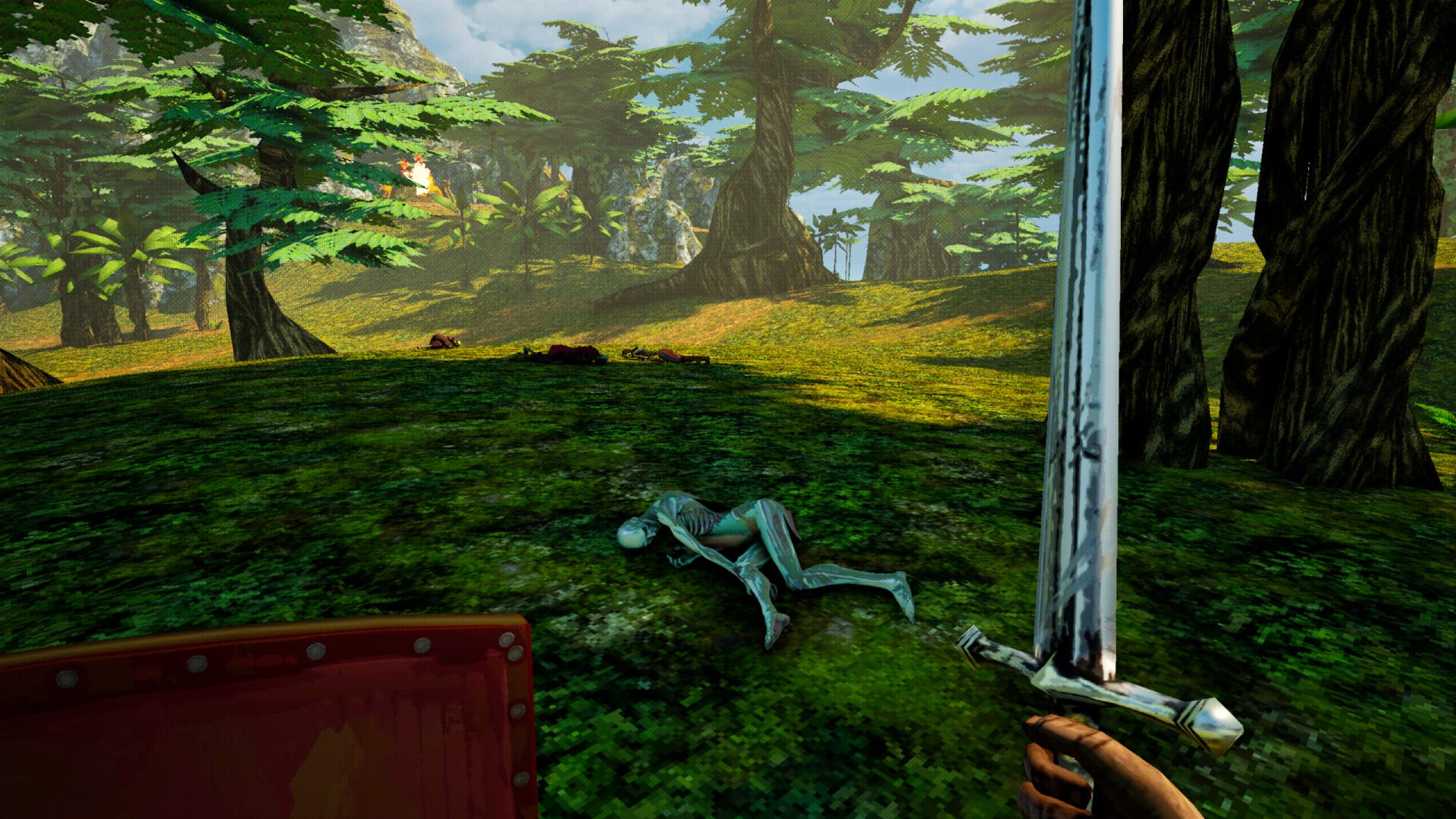
The Lantern of the Laughless Saint sells a large cast of bizarre characters living under a silent Tower. Official examples include a giant toad learning to read, an ancient skeleton who wants to swim, and a musician from a faraway land hunting something precious. This page explains how to meet and treat the cast without fabricating biographies the game has not published.
Why the cast matters
Open-ended quests resolve through mercy, violence, compromise, and deceit. Those resolutions seat friends or darker phantoms in the Amphitheater (choices explained). If you treat NPCs as loot piñatas, you will still fill the House—just with an audience you may not enjoy for the final act.
How to catalog people you meet
Keep a simple log: name or nickname, where you met them, what they wanted, what you did, whether a rumor pointed elsewhere. In co-op, share the log so nobody accidentally murders the diplomat’s project (co-op guide).
Rumors as social compass
Many leads arrive as hearsay. When someone mentions a light, a shortcut, or another soul, chase it using island exploration habits. NPCs with schedules—shopkeepers who drink, sleep, and reopen—reward patience more than save-scum hovering.
Tone: weird, not disposable
Fungus wizards, vulture gorillas, lizard folk, and other oddities appear in marketing as proof of Morrowind-like strangeness. Laugh at the premise; still assume they can matter. Semi-simulated daily routines make the island feel alive even when it is not simulating every Skyrim-level AI claim.
Combat versus conversation
Some horrors are just horrors—use combat basics. Some enemies are people mid-catastrophe. If a fight starts mid-quest, ask whether violence is the verb you meant. Theft, including stealing outfits noted in mature content warnings, is also a relationship event.
Builds that care about NPCs
Diplomat-leaning playstyles invest in being present for conversations. Stealth-deceit kits still need to know names worth deceiving. Pure combatants should at least skim this page so they understand what their blade is editing out of the island’s future.
What we will add after launch
Verified locations, quest hooks, and Amphitheater outcomes—with spoiler toggles where needed. Until August 17, 2026, we stay with official premise and practical social advice. Sibling pages in the Systems Hub cover skills and weapons; Getting Started covers your first hours among these people.
The Tower calls the broken and the wanting. The cast is how you meet them. Fill seats like you mean it.
Cast cards for co-op memory
Make a “cast card” with four fields: name, want, fear, last verb we used. Put cards in a shared doc. When someone wants to pivot to violence for comedy, the card makes the cost visible. After launch we will replace blank cards with verified quest hooks; until then the template keeps the cast page useful every night you play.
Casting against type on purpose
Sometimes the strongest story is helping someone you dislike or deceiving someone you adore. Do it with eyes open. Tell the party which verb you are choosing and why. Then watch how the Amphitheater responds across later patches as UI clarity improves. Against-type choices prevent the cast from becoming a static checklist and keep Amphitheater choices emotionally expensive in the way NerveLabs seems to want.
First-meeting protocol
On a first meeting, listen twice before proposing violence. Ask what they want, what they fear, and whether a rumor points elsewhere. Mark whether they seem tied to the Tower, the coast, or the Amphitheater fantasy. First-meeting protocol sounds slow; it is faster than reloading a ruined social route because someone swung early. Teach the protocol to co-op newcomers using How to Play Co-op language so the cast remains a shared narrative surface, not an obstacle course.
Frequently Asked Questions
Quick answers about Early Access, co-op, and systems.
Are the toad and skeleton real characters?
They are part of official marketing copy describing the bizarre cast. Treat them as representative of the tone and of quest-capable weirdos.
Do NPC schedules matter?
Developer comments describe semi-simulated routines. Checking back at different times is a good Early Access habit.
Can I kill everyone?
Violence is a supported resolution style, but it shapes Amphitheater seating and can close social content.
Will this become a full quest wiki?
Yes—incrementally during Early Access as hooks can be verified without dumping every spoiler on day one.