The Lantern of the Laughless Saint Skills and Perks
Your habits are your build—then perks sharpen the edge.
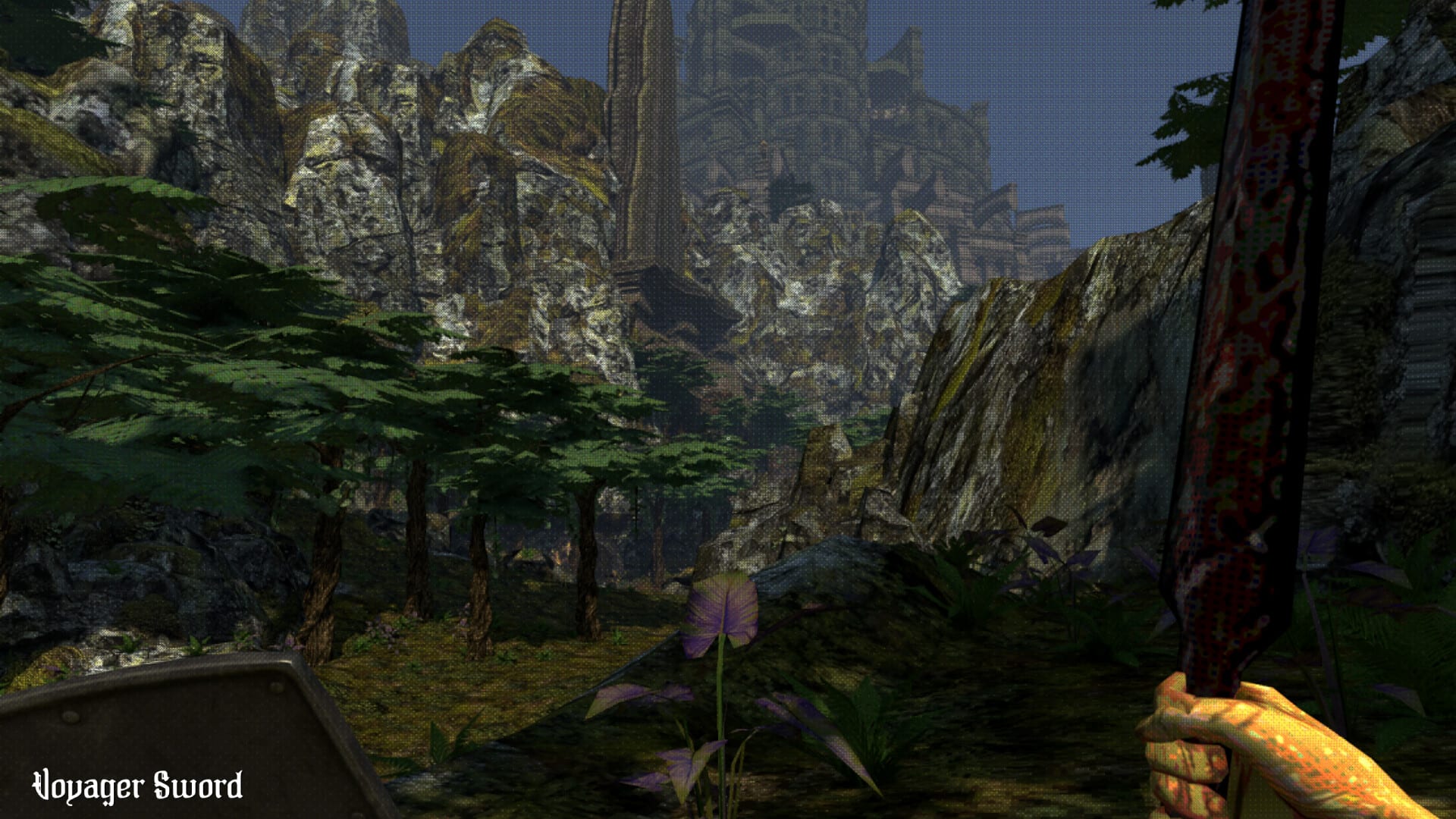
In The Lantern of the Laughless Saint, skills upgrade through use and a perk tree supports specialization. That double layer is the spine of character growth for Early Access. This page explains how to train intentionally without inventing a fake skill list.
Train what you want to become
If you sprint, your sprinting identity strengthens. If you craft spells, magic identity deepens. If you never pick a lock, lock content stays hard. The design conversation around the game repeatedly returns to Morrowind-like growth: practice is progress. That is liberating and dangerous—bad habits also level.
Week-one training plan
- Pick one weapon family and use it exclusively for several sessions (weapons and builds).
- Pick one mobility or utility skill to support exploration.
- Touch alchemy or fishing enough to unlock comfort sustain (alchemy and fishing).
- Spend perks only after you feel a bottleneck, not at the first shiny node.
- Reassess using early priority skills.
Perks as specialization, not a second tutorial
Think of perks as adjectives on the noun you already trained. A heavy-weapon noun plus a stamina-efficiency perk reads differently than the same noun plus execute damage. Until official perk names are fully documented, plan categories: sustain, damage, utility, social/stealth, magic efficiency.
Co-op skill diversity
Four friends training identical blades wastes the island. Assign soft roles in the co-op guide so the party’s skill graph covers combat, traversal, crafting, and dialogue pressure.
Synergy with Amphitheater play
Social skills—if present through speech, stealth, or trade—are not dump stats on an island that judges you. A pure murder path still benefits from movement and sustain skills; a mercy diplomat still needs enough combat to survive horrors between conversations (Amphitheater choices).
Avoiding respec anxiety
EA may add or tune respec tools later; do not assume infinite free resets on day one. Prefer flexible training: weapons you enjoy, magic you understand, and perks that smooth friction rather than lock you into a meme that dies on patch Tuesday. Track systems passes on the EA roadmap.
Measuring progress without spreadsheets
Ask after each session: what did I do for thirty minutes straight? That is what leveled. If the answer disagrees with the fantasy you wanted, change tomorrow’s habits—not just your wishlist gear. Over 100 equippable items in EA targets will tempt hoarding; skills decide whether loot matters.
Related pages
Skills and perks are how the Laughless Saint island remembers your body of work—long before the Amphitheater applauds your final act.
Bottleneck diary
Keep a bottleneck diary with four headings: mobility, damage, sustain, social. After each session, tick which heading actually stopped you. Spend the next session’s attention—and eventually perks—on the ticked heading. That diary prevents random tree clicking and pairs cleanly with the early priority skills list even when official perk names change mid-EA.
Perk spend vetoes
Create two vetoes for yourself: no perk that supports a skill you have not trained this week, and no perk that only helps a meme you have not survived twice. Vetoes sound strict; they prevent EA regret when respec options are unclear. Revisit vetoes after reading patch notes in the Updates Hub. Skills and perks should feel like autobiography, not a shopping receipt from a tier list screenshot.
Seasonal goals inside Early Access
Set a two-week skill goal, not a forever perfect tree. Example: weapon noun comfortable, mobility reliable, one sustain craft. At the end of two weeks, rewrite the goal using patch notes and deaths. Seasonal goals match NerveLabs’ frequent update ambition better than a rigid endgame plan invented before August 17, 2026. Store goals beside your playstyle tier pick so fantasy and training stay married.
Frequently Asked Questions
Quick answers about Early Access, co-op, and systems.
Do skills level automatically over time?
Progress is framed as use-based. Doing the activity is what strengthens it—idle time is not a training plan.
When should I spend perks?
After you feel a real bottleneck in a skill you already use, not the moment a tree unlocks.
Can I max every skill in EA?
Completionist runs are estimated around 30–40 hours, but spreading too thin early usually feels worse than specializing.
Where is the full perk list?
We will publish verified perk details after Early Access documents them. Until then, plan by category and habit.