The Lantern of the Laughless Saint Weapons and Builds
Pick a weapon identity that matches how you actually explore the island.
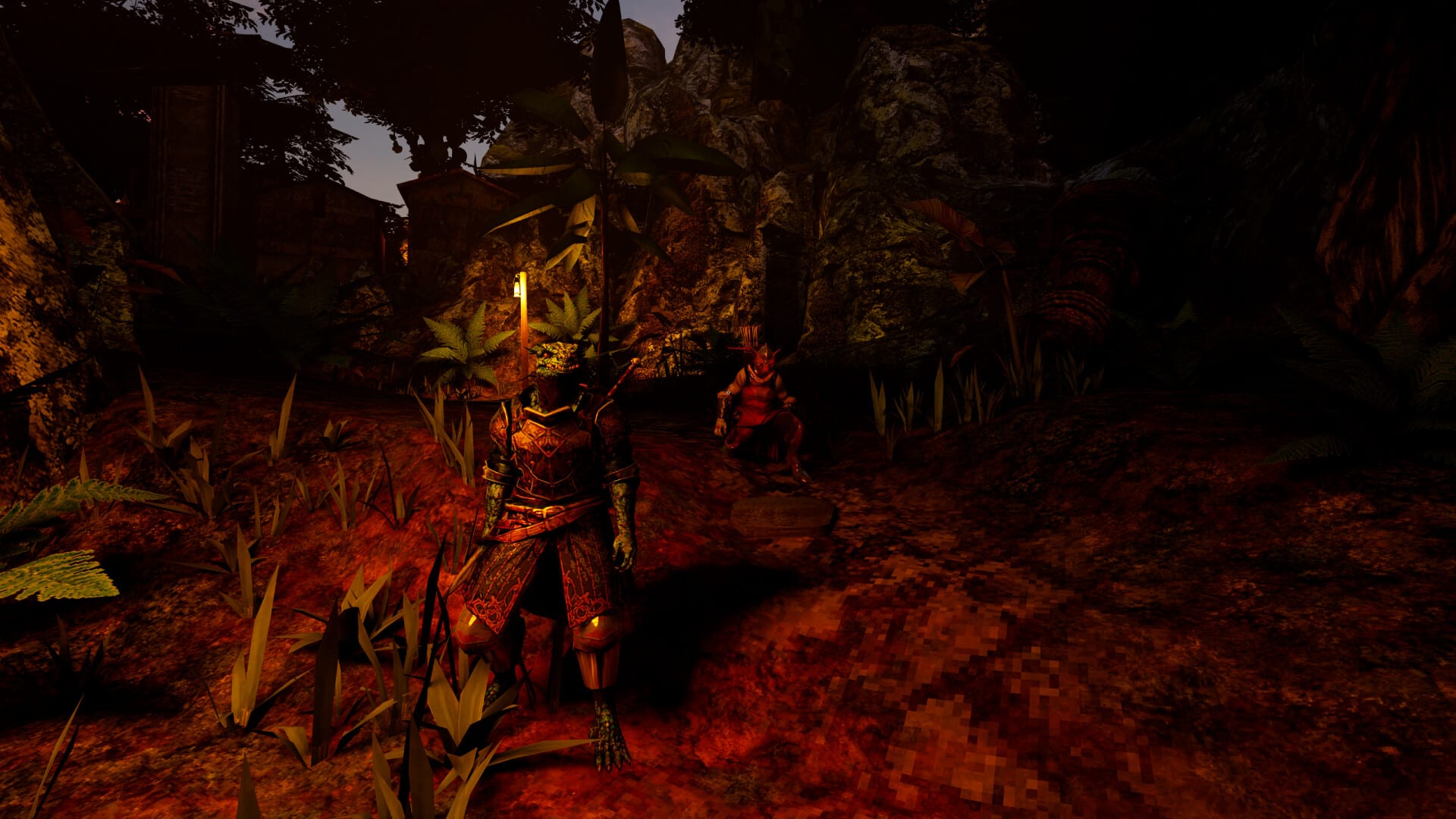
Multiple weapon types and visceral combat are part of the Steam pitch for The Lantern of the Laughless Saint. This page offers soft build frameworks for Early Access—useful before a frozen meta exists, and honest about what we will not invent.
Soft archetypes
- Blade runner — fast arms, high fight frequency, light packing for exploration.
- Anchor — heavy arms, holds space for co-op casters (co-op).
- Reach hunter — safer learning curve versus unknown horror hitboxes (combat basics).
- Spellblade — weave crafted spells between swings; high ceiling, high self-kill risk.
- Support alchemist — lighter weapons, stronger alchemy, keeps the party alive for Amphitheater arcs.
Cross-check these with the playstyle tier list when choosing a first campaign fantasy.
Why soft beats spreadsheet pre-launch
Exact DPS tables, status coefficients, and unique legendary names are not fully public. Builds should describe decision patterns: what you swing, when you flee, which skills you feed, which Amphitheater verbs you favor. After August 17, 2026, we will attach verified examples without pretending day-zero patch balance is eternal.
Itemization mindset
EA targets mention over 100 equippable items. That density invites hoarding. Prefer:
- Gear that reinforces the skill you train (skills and perks).
- One mobility piece and one sustain piece before chasing raw damage.
- Shared loot rules in co-op so unique drops reach the archetype that can use them.
Hybrid caution
Hybrids are encouraged by the systems—especially spellcrafting plus weapons—but hybrids fail when you train neither noun. Spend two sessions specializing before you splash. Early priority skills helps sequence that.
Moral loadouts
A stealth-deceit kit and a loud-mercy kit are both builds. Stealing outfits can trigger mature-content edge cases noted by the developers; theft is also an Amphitheater verb (choices). Build pages that ignore morals misunderstand this island.
Co-op composition examples
- Two explorers + one anchor + one tinkerer for Tower shortcut hunting.
- One diplomat + one anchor + two flexible damage for quest-heavy nights.
- All-spell chaos night—fun once, bring extra alchemy.
Iteration loop
After each death spiral, ask whether the weapon, the positioning, or the greed failed. Swap one variable. Read Getting Started again if you are still learning the island’s tempo. Browse sibling pages in the Systems Hub for cast and skill context.
Weapons are how you argue with horrors. Builds are how you argue with yourself about what kind of audience you want packing the House when the light under the Tower finally stirs.
Loadout slots that matter before legendaries
Prioritize a main weapon, a backup that covers your worst matchup, a mobility option (spell or item), and a sustain option. Everything else is museum inventory until those four slots feel boringly reliable. Revisit this page after combat basics sessions and after patches that retune spell crafting, because hybrid identities shift when magnitudes move.
Durability of identity across patches
Choose identities that still make sense if damage numbers move ten percent. “I create space for the diplomat” survives patches better than “I need this exact unique dagger.” When a hotfix lands, re-validate your four core slots, then return to exploration content. Builds exist to serve the island fantasy described in Getting Started, not the other way around.
Swapping without identity collapse
When a weapon disappoints, swap within the same role family for one full session before abandoning the archetype. Instant identity collapse creates skill XP soup. Document why the swap happened—reach issues, stamina starve, co-op redundancy—and only then pivot to a new archetype from this page. That discipline makes builds scientific enough to survive the EA meat grinder while still leaving room for weird scrolls-like experiments.
Frequently Asked Questions
Quick answers about Early Access, co-op, and systems.
What is the best weapon at launch?
There is no verified best weapon yet. Pick a family you will actually use so skill growth keeps up with content.
Are pure mage builds viable?
Spell crafting is a headline system, but hybrid threats and resource costs mean you should still plan sustain and escape tools.
Should co-op players mirror gear?
Usually no. Diversified archetypes cover more of the island's challenges and loot table.
When will detailed loadouts appear?
After Early Access gives us verifiable item behavior and patch-stable patterns worth documenting.